Assess the property as an operation, not just a building
A rooming-house project in Geelong needs more than a floor plan and a weekly rental estimate. Before committing, assess whether the proposed use is suitable for the site, what approvals and operating obligations apply, and whether the financial assumptions are supported by local evidence.
The physical building and the way it will be managed are closely connected. Decisions about residents, shared facilities, maintenance and services should influence the brief from the beginning.
Be clear about the proposed use
Rooming houses involve individual room rental rather than simply leasing a whole home to one household. However, the legal classification depends on the actual arrangements and applicable definitions—not the wording used to market the property.
“Co-living”, “MultiGen” and “rooming house” should not be treated as interchangeable approvals. Describe the proposed occupancy, tenancy arrangements and facilities to the relevant professionals so they can assess the correct pathway.
For a particular Geelong site, seek advice on planning, building classification and any required approvals before treating a concept as feasible.
Separate the approval and operating responsibilities
Consumer Affairs Victoria explains that rooming-house operator licensing is separate from registration of the premises with the local council. Planning and building requirements are another part of the assessment. Confirm which obligations and exemptions apply to your ownership and operating arrangement.
Engaging a property manager does not necessarily transfer the operator’s legal responsibilities. Consumer Affairs Victoria specifically distinguishes the building owner, operator and managing agent. Establish who is responsible for each task rather than relying on a broad promise that management is “taken care of”.
The building proposal should also be reviewed against the relevant standards for the intended use—not simply against the appearance of an existing property.
Make resident experience part of the brief
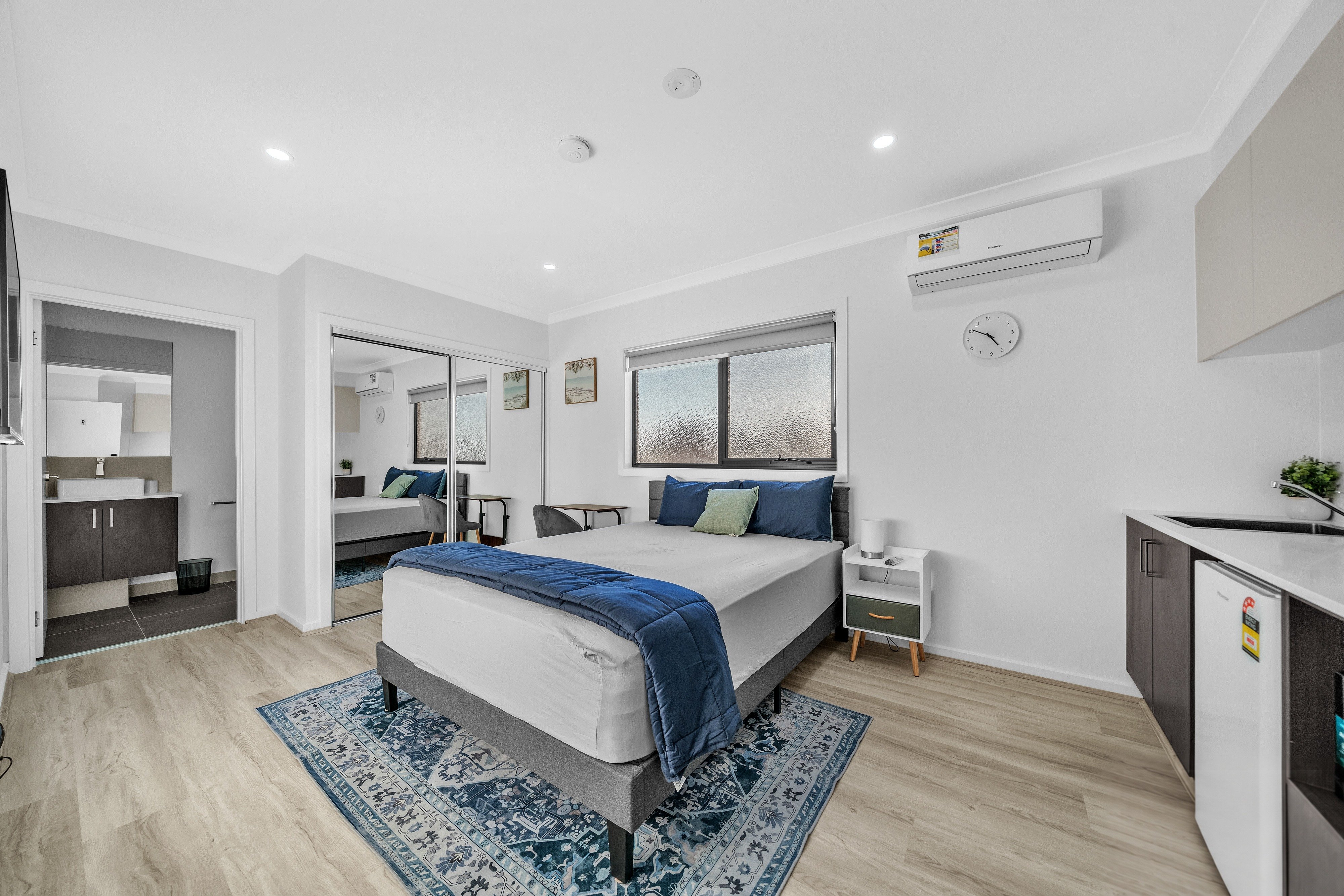
A room is someone’s home. Privacy, secure access, comfort, storage and a practical place for daily routines deserve attention alongside the number of lettable rooms.
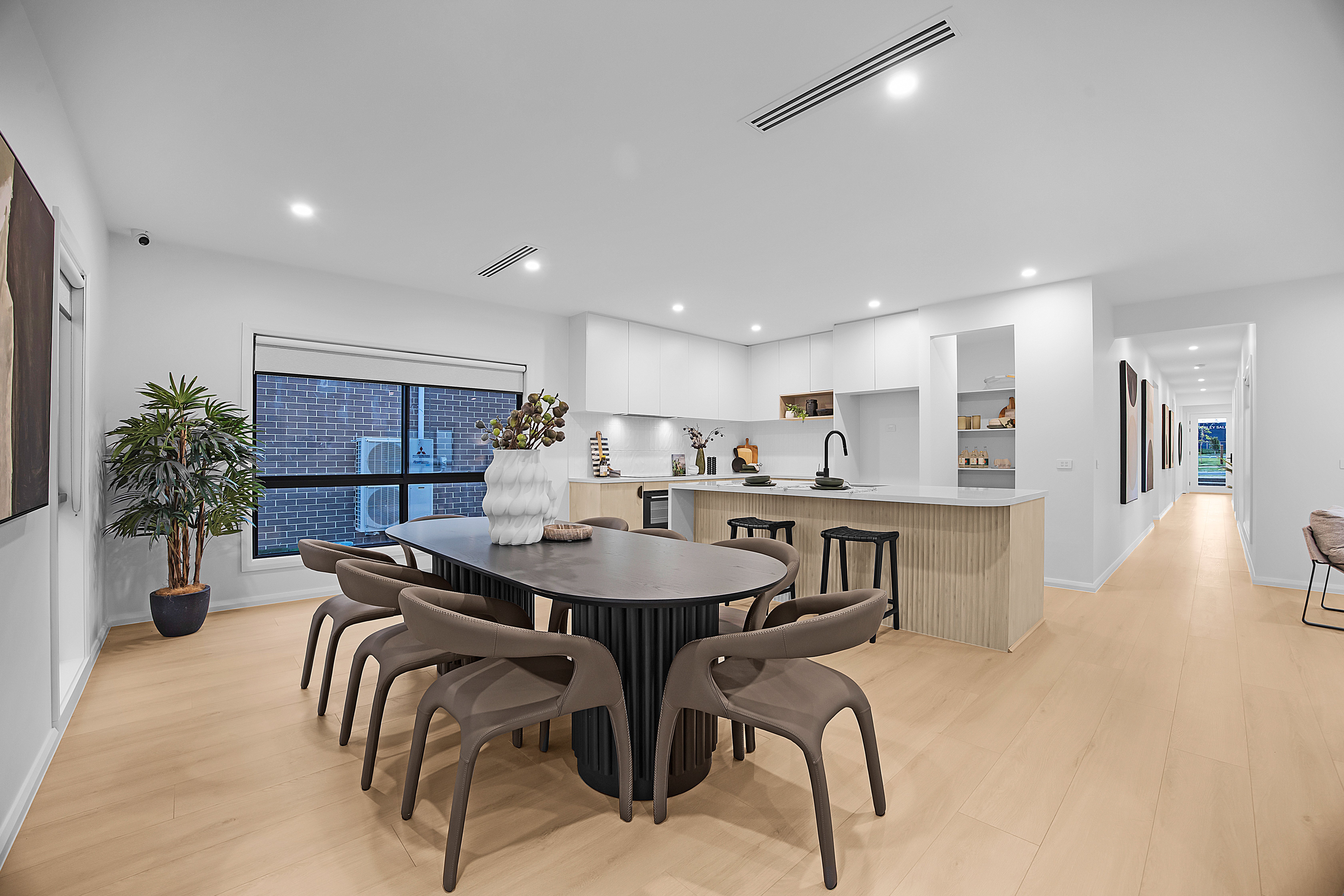
Consider how shared kitchens, laundry facilities, circulation and waste arrangements will work at the intended occupancy. Ask how materials will be maintained and how residents can report problems.
Victoria’s rooming-house minimum standards address privacy, security, safety and amenity. Consumer Affairs Victoria also states that, from 13 October 2026, operators must keep sufficient records to show the property meets those standards. This makes ongoing record-keeping part of the operating plan, not merely a handover exercise.
Test the Geelong rental assumptions
A broad statement about Geelong’s rental market is not enough to establish demand for a specific rooming house. Ask a suitably experienced local property manager for a written appraisal covering the proposed property, room types, facilities and inclusions.
For a site in Marshall, Waurn Ponds or elsewhere, investigate the practical location factors relevant to prospective residents. Check transport, access to services and competing accommodation rather than assuming proximity creates demand.
Ask what evidence supports the proposed room rents, what is included in those rents and how vacancies and letting periods have been allowed for. A general whole-house rental estimate is not a substitute for a room-by-room assessment.
Compare income with the full cost of operation
Gross rent is not net cash flow. A useful assessment includes management, vacancy, utilities where applicable, internet, cleaning, repairs, replacement items, insurance, rates, compliance and finance costs.
Test what happens if rooms take longer to lease, expenses increase or repairs arise. Do not treat an optimistic forecast as a guarantee or confuse a valuation assumption with cash available to spend.
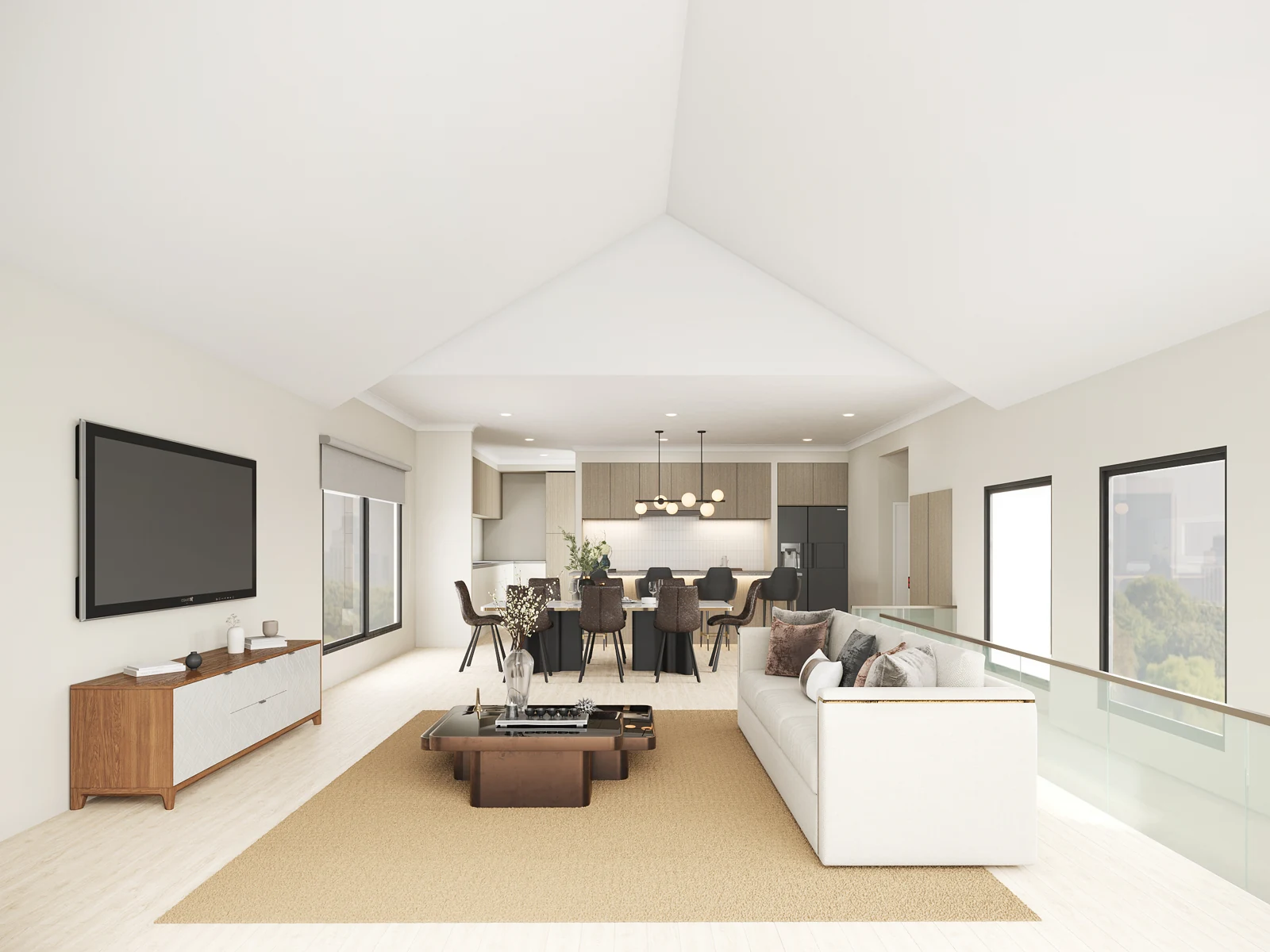
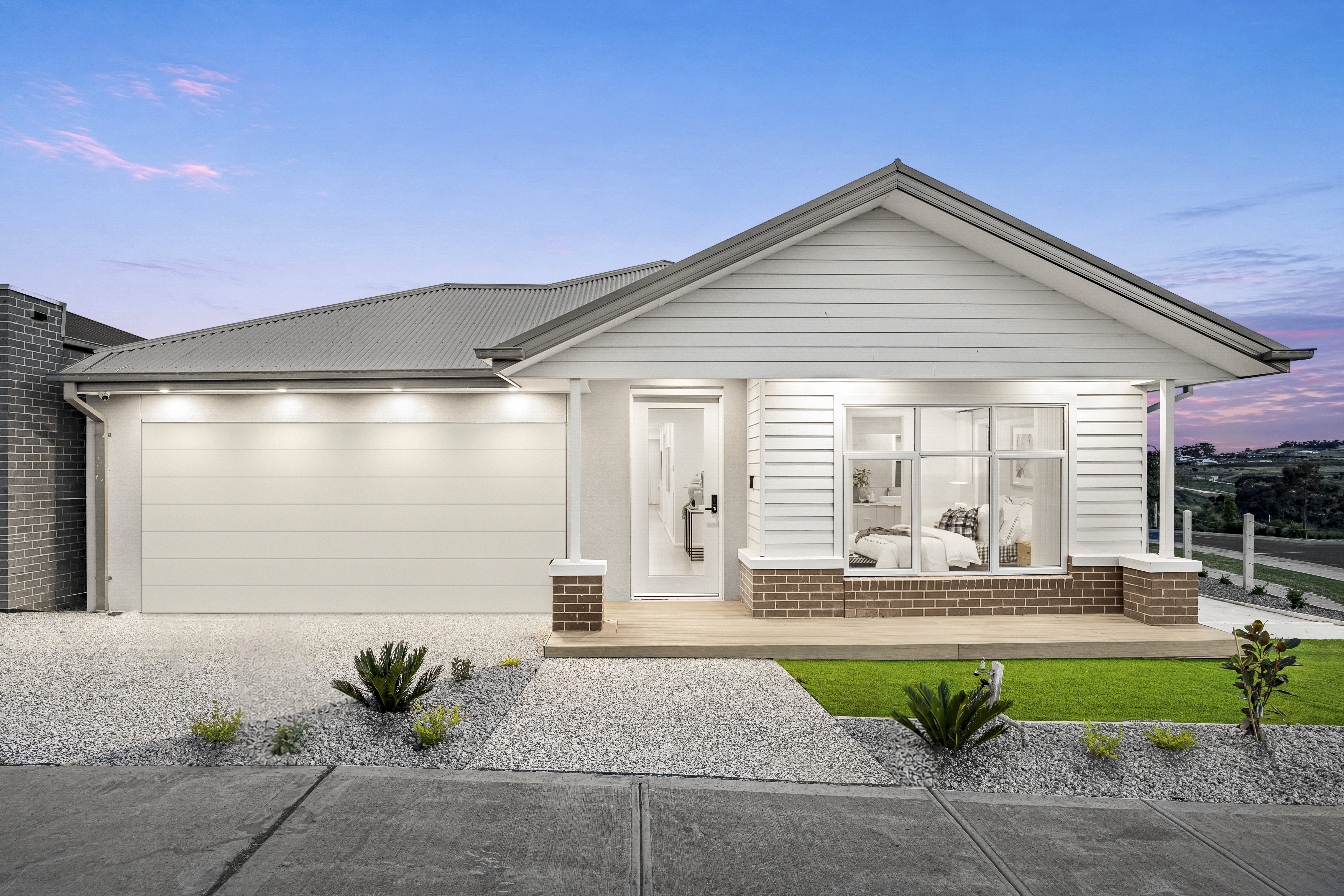
Vanatara’s Rooming Houses page and existing virtual tours can help you explore the housing model and spatial arrangements. They are a starting point for questions, not a substitute for site-specific approvals or an independent investment assessment.
Frequently asked questions
Does a rooming house need both registration and an operator licence?
These are separate obligations in Victoria. Confirm the requirements and any exemptions for the specific premises and operator with the relevant authorities.
Does a property manager automatically become the licensed operator?
No. Responsibilities depend on the arrangement. Consumer Affairs Victoria distinguishes operators from managing agents and building owners.
Can Vanatara’s Marshall tour prove what a new project will earn?
No. An existing property image or tour illustrates a building; it does not verify another site’s approval, demand, rent or investment performance.
Further reading: Rooming house operators licensing scheme · Rooming house minimum standards.
General information only; obtain project-specific planning, building, legal and financial advice before committing.